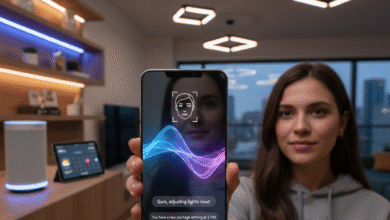
AI in Daily Life: How Artificial Intelligence is Transforming the Modern World 2026


Discover how AI in Daily Life is changing the way people work, communicate, learn, shop, travel, and stay healthy. Explore the benefits, applications, challenges, and future of AI in everyday life.

AI in Daily Life: How Artificial Intelligence is Transforming the Modern World
Introduction
AI in Daily Life has become one of the most significant technological developments of the 21st century. Artificial Intelligence, commonly known as AI, refers to computer systems that can perform tasks that normally require human intelligence. These tasks include learning, problem-solving, decision-making, speech recognition, and image analysis.
Today, AI in Daily Life is no longer limited to research laboratories or large technology companies. It has become an essential part of everyday activities. From smartphones and virtual assistants to online shopping and healthcare services, AI is influencing almost every aspect of modern living.
As technology continues to evolve, the importance of AI in Daily Life grows even more. People rely on AI-powered tools to improve productivity, enhance convenience, and make better decisions. Understanding how AI affects our daily routines helps us appreciate its benefits and prepare for future innovations.
What is Artificial Intelligence?
Artificial Intelligence is a branch of computer science focused on creating machines capable of performing intelligent tasks. AI systems analyze data, recognize patterns, and learn from experience to improve their performance over time.
There are several types of AI technologies used in everyday applications:
Machine Learning
Machine Learning allows computers to learn from data without being explicitly programmed. It helps systems make predictions and recommendations.
Natural Language Processing
Natural Language Processing enables machines to understand and respond to human language. Chatbots and virtual assistants use this technology.
Computer Vision
Computer Vision allows machines to interpret and understand visual information from images and videos.
Robotics
Robotics combines AI with mechanical systems to automate tasks and improve efficiency.
These technologies contribute significantly to AI in Daily Life, making services smarter and more personalized.https://smartcareerzone.com/
AI in Smartphones
One of the most common examples of AI in Daily Life is the smartphone. Modern smartphones use AI to improve user experiences in various ways.
Voice Assistants
Voice assistants such as Siri and Google Assistant use AI to answer questions, set reminders, and perform tasks through voice commands.
Camera Enhancements
AI improves image quality by adjusting brightness, contrast, and focus automatically. It can recognize faces, scenes, and objects.
Predictive Text
AI-powered keyboards suggest words and correct spelling mistakes, helping users type faster and more accurately.
Battery Optimization
Smartphones use AI to analyze usage patterns and optimize battery performance.
These features demonstrate how AI in Daily Life makes technology more convenient and user-friendly.
AI in Education
Education has been transformed through the integration of AI technologies.
Personalized Learning
AI systems analyze student performance and create customized learning experiences.
Intelligent Tutoring Systems
Virtual tutors provide assistance and feedback based on individual learning needs.
Automated Grading
Teachers can save time through AI-powered grading systems that evaluate assignments and quizzes.
Language Learning
Many language learning platforms use AI to improve pronunciation, grammar, and vocabulary skills.
The growing use of AI in Daily Life within education helps students learn more effectively and efficiently.
AI in Healthcare
Healthcare is one of the most impactful areas where AI is making a difference.
Disease Detection
AI systems can analyze medical images and identify diseases with remarkable accuracy.
Virtual Health Assistants
Patients can receive medical guidance through AI-powered chatbots and applications.
Drug Development
Researchers use AI to accelerate drug discovery and development processes.
Remote Monitoring
Wearable devices track health metrics and alert users to potential health concerns.
The implementation of AI in Daily Life within healthcare improves patient outcomes and enhances medical services.
AI in Transportation
Transportation has become safer and more efficient due to AI technologies.
Navigation Systems
GPS applications use AI to provide real-time traffic updates and route recommendations.
Ride-Sharing Services
Companies use AI algorithms to match drivers with passengers efficiently.
Autonomous Vehicles
Self-driving cars rely on AI to recognize road conditions, traffic signs, and obstacles.
Traffic Management
Cities use AI to optimize traffic flow and reduce congestion.
These innovations show how AI in Daily Life contributes to smarter transportation systems.
AI in Online Shopping
E-commerce platforms heavily depend on AI to improve customer experiences.
Product Recommendations
AI analyzes browsing history and purchasing behavior to suggest relevant products.
Personalized Marketing
Businesses create targeted advertisements based on customer preferences.
Virtual Shopping Assistants
AI chatbots help customers find products and answer questions instantly.
Fraud Detection
AI systems monitor transactions and identify suspicious activities.
The increasing role of AI in Daily Life in online shopping enhances convenience and customer satisfaction.
AI in Entertainment
Entertainment platforms use AI to deliver personalized content.
Streaming Services
AI recommends movies, TV shows, and music based on user preferences.
Gaming
Video games use AI to create intelligent opponents and dynamic gameplay experiences.
Content Creation
AI tools assist creators in generating images, videos, and written content.
Social Media
AI algorithms determine which content appears in users’ feeds.
Through these applications, AI in Daily Life enriches entertainment experiences for millions of people.
AI in Banking and Finance
Financial institutions use AI to improve services and security.
Fraud Prevention
AI detects unusual transaction patterns and prevents financial fraud.
Customer Support
AI chatbots provide 24/7 assistance to banking customers.
Investment Analysis
AI helps investors analyze market trends and make informed decisions.
Credit Scoring
Financial organizations use AI to evaluate loan applications efficiently.
The integration of AI in Daily Life within finance increases security and operational efficiency.
AI in Smart Homes
Smart home technology relies heavily on AI capabilities.
Smart Speakers
Devices respond to voice commands and control connected appliances.
Smart Thermostats
AI learns user preferences and adjusts temperatures automatically.
Home Security
AI-powered cameras recognize suspicious activities and send alerts.
Energy Management
AI helps reduce energy consumption through intelligent monitoring systems.
Smart homes are excellent examples of how AI in Daily Life improves comfort and convenience.
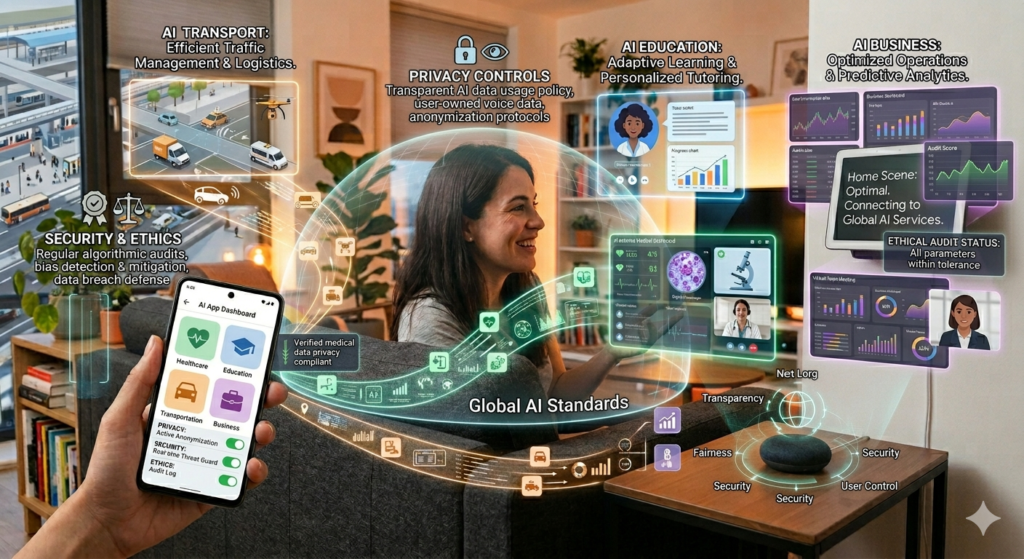
Benefits of AI in Daily Life
There are numerous advantages associated with AI technology.
Increased Efficiency
AI automates repetitive tasks, saving time and resources.
Improved Accuracy
AI systems minimize human errors in many applications.
Enhanced Convenience
Users enjoy faster and more personalized services.
Better Decision-Making
AI analyzes large amounts of data to provide valuable insights.
Cost Reduction
Businesses reduce operational costs through automation.
These benefits explain why AI in Daily Life continues to expand across industries.
Challenges of AI in Daily Life
Despite its benefits, AI also presents several challenges.
Privacy Concerns
AI systems collect large amounts of personal data, raising privacy issues.
Job Displacement
Automation may replace certain jobs and require workforce adaptation.
Security Risks
Cybercriminals may exploit AI technologies for malicious purposes.
Ethical Considerations
Questions about fairness, transparency, and accountability remain important.
Addressing these challenges is essential for the responsible growth of AI in Daily Life.
The Future of AI in Daily Life
The future of AI looks extremely promising. Experts predict that AI will become even more integrated into everyday activities.
Future developments may include:
- Advanced personal assistants
- Smarter healthcare systems
- Fully autonomous transportation
- More intelligent educational platforms
- Enhanced workplace automation
- Improved environmental monitoring
As innovation continues, AI in Daily Life will likely become an even more powerful force shaping society and improving quality of life.
Conclusion
Artificial Intelligence is transforming the way people live, work, and interact with technology. From smartphones and healthcare to transportation and education, AI in Daily Life is creating smarter, faster, and more efficient solutions. While challenges such as privacy and ethics must be addressed, the benefits of AI are undeniable.
As technology advances, AI in Daily Life will continue to influence every aspect of society, offering new opportunities for innovation, productivity, and growth. Understanding and embracing AI can help individuals and organizations prepare for a future where intelligent technologies play an increasingly important role in everyday life.https://learnsmartwithhamza.online/