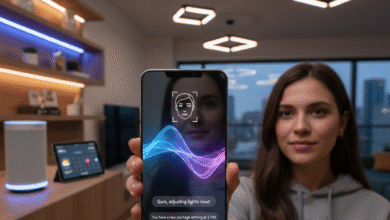
Discover how AI in Daily Life is transforming education, healthcare, business, entertainment, communication, and smart technology. Learn the benefits, challenges, and future of artificial intelligence in everyday activities.
AI in Daily Life
Artificial intelligence has become one of the most important technologies in the modern world. Today, AI in Daily Life is changing how people work, study, shop, communicate, and entertain themselves. From smartphones to smart homes, artificial intelligence is helping people complete tasks faster and more efficiently. Many people use AI every day without even realizing it. Search engines, social media apps, navigation systems, online shopping recommendations, and voice assistants are all powered by AI.
The growth of AI technology has created new opportunities for businesses, students, teachers, doctors, and ordinary people. Companies use artificial intelligence to improve customer service and increase productivity. Schools and universities use AI tools to help students learn better. Hospitals use AI-powered systems to diagnose diseases and support doctors. Because of these developments, AI has become a major part of modern life.
What is Artificial Intelligence?
Artificial intelligence refers to computer systems that can perform tasks that usually require human intelligence. These tasks include learning, problem-solving, speech recognition, decision-making, and understanding language. AI systems analyze data, identify patterns, and make predictions.
For example, when people ask a voice assistant to play music or search for information, AI understands the command and provides a response. Similarly, streaming platforms use AI algorithms to recommend movies and songs based on user interests.
The concept of AI has existed for many years, but recent technological advancements have made it more powerful and accessible. Faster computers, cloud technology, and large amounts of data have helped AI systems become smarter and more efficient.
AI in Communication
One of the biggest examples of AI in Daily Life is communication technology. Social media platforms use AI to personalize user experiences. AI algorithms analyze user behavior and show posts, videos, and advertisements based on interests.
Messaging apps also use AI-powered features such as automatic replies, spam detection, and language translation. Email services can identify spam emails and filter unwanted messages. Video conferencing apps use AI to reduce background noise and improve audio quality.
Voice assistants like Siri, Google Assistant, and Alexa are also popular examples of AI communication tools. These assistants can answer questions, set reminders, send messages, and control smart devices.
AI-powered translation tools have made communication easier between people who speak different languages. Businesses and travelers benefit greatly from these technologies because they reduce communication barriers.
AI in Education
Education has improved significantly because of artificial intelligence. AI in Daily Life can be clearly seen in online learning platforms and educational apps. AI tools help students learn according to their abilities and learning speed.
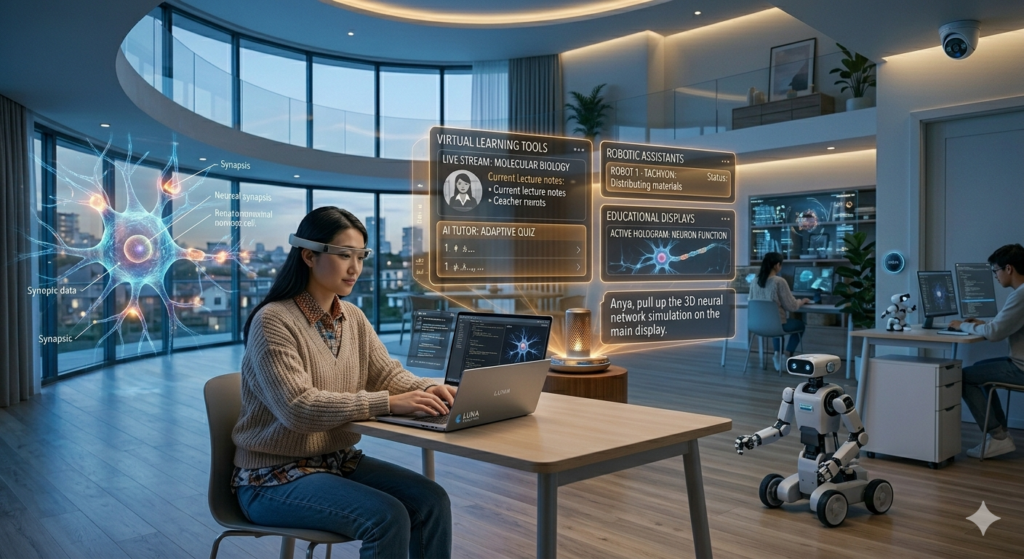
Many educational platforms use AI to provide personalized learning experiences. Students can receive recommendations for lessons, quizzes, and study materials based on their performance. Teachers also use AI tools to track student progress and identify areas where students need improvement.
Virtual tutors and AI chatbots are becoming increasingly popular in schools and universities. These tools can answer student questions at any time, making learning more flexible and accessible.
AI also helps in language learning. Applications use speech recognition technology to improve pronunciation and grammar skills. Students can practice speaking with AI-powered systems and receive immediate feedback.
Online exams and automatic grading systems are another important use of AI in education. Teachers save time because AI can check multiple-choice questions and assignments quickly.
AI in Healthcare
Healthcare is one of the most important industries benefiting from artificial intelligence. AI in Daily Life is improving medical services and helping doctors provide better treatments.
AI-powered machines can analyze medical reports, X-rays, and scans faster than traditional methods. These systems help doctors detect diseases such as cancer, heart disease, and diabetes at an early stage.
Hospitals use AI chatbots to answer patient questions and schedule appointments. Wearable fitness devices also use AI to monitor heart rate, sleep patterns, and physical activity.
During medical emergencies, AI systems can provide quick analysis and support healthcare professionals. Pharmaceutical companies also use AI to research and develop new medicines.
Telemedicine has become more effective because of artificial intelligence. Patients can consult doctors online, and AI systems can assist in diagnosing common illnesses.
AI in Transportation
Transportation systems are changing rapidly because of artificial intelligence. AI is making travel safer, faster, and more convenient.
Navigation apps such as Google Maps use AI to analyze traffic conditions and suggest the best routes. Ride-sharing services use AI algorithms to match drivers with passengers efficiently.
Self-driving cars are one of the most advanced examples of AI technology. These vehicles use cameras, sensors, and machine learning systems to understand road conditions and avoid accidents.
Airlines also use AI to improve flight schedules, customer service, and airport security. Public transportation systems use AI to predict passenger demand and manage traffic flow.
Smart traffic management systems can reduce congestion and improve road safety. These technologies help cities become smarter and more organized.
AI in Business
Businesses around the world are using artificial intelligence to improve productivity and customer satisfaction. AI in Daily Life has transformed marketing, sales, and customer support.
Online stores use AI to recommend products based on customer preferences and purchase history. Chatbots provide customer support 24/7 and answer common questions instantly.
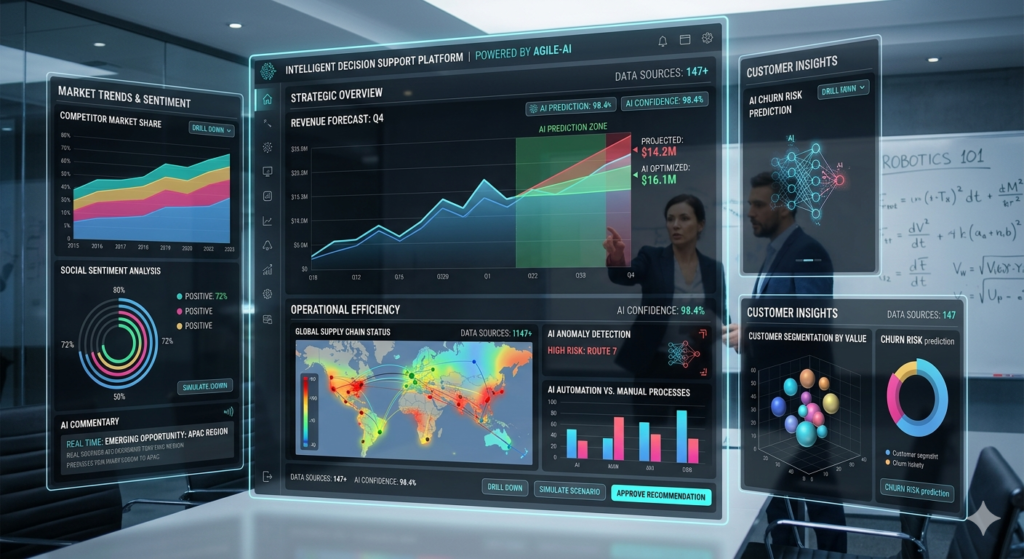
AI tools also help companies analyze market trends and customer behavior. Businesses can make better decisions using AI-powered data analysis.
Banks and financial institutions use AI systems to detect fraud and improve online security. Automated systems can monitor transactions and identify suspicious activities.
Companies also use AI for hiring employees. AI software can review resumes and identify suitable candidates for job positions.
Digital marketing has become more effective because AI helps businesses target the right audience through personalized advertisements.
AI in Entertainment
Entertainment platforms heavily depend on artificial intelligence. Streaming services such as Netflix and Spotify use AI algorithms to recommend movies, shows, and songs.
Gaming companies use AI to create intelligent characters and improve player experiences. Video games have become more realistic because AI can control character behavior and adapt gameplay.
Social media apps use AI to suggest videos and content users may enjoy. Photo editing apps also use AI to improve image quality and apply filters automatically.
AI-generated content is becoming more common in music, art, and writing. Some companies use AI systems to create songs, animations, and digital artwork.
The entertainment industry continues to grow because AI helps companies understand audience preferences and deliver personalized experiences.
AI in Smart Homes
Smart home technology is another clear example of AI in Daily Life. Many homes now use smart devices that make everyday activities easier.
Smart speakers can control lights, fans, televisions, and home security systems using voice commands. AI-powered security cameras can detect unusual activities and send alerts to homeowners.
Smart thermostats can learn user preferences and automatically adjust room temperature. This helps save energy and reduce electricity costs.
Robotic vacuum cleaners use AI to navigate rooms and clean floors efficiently. Smart refrigerators can track food items and suggest grocery lists.
As technology continues to improve, smart homes are becoming more popular around the world.
Benefits of AI in Daily Life
Artificial intelligence offers many benefits to society. One major advantage is automation. AI systems can perform repetitive tasks quickly and accurately.
AI also saves time and increases efficiency. People can complete tasks faster using AI-powered tools and applications.
Another benefit is improved decision-making. Businesses and organizations use AI to analyze data and make better choices.
AI helps improve safety in transportation, healthcare, and online security. Fraud detection systems and smart surveillance technologies help reduce risks.https://smartcareerzone.com/
Personalization is another important benefit. AI systems can provide customized recommendations based on user preferences.
AI also supports innovation by helping scientists and researchers solve complex problems.
Challenges of Artificial Intelligence
Despite its advantages, artificial intelligence also has some challenges. One major concern is job displacement. Some people fear that machines and automation may replace human workers.
Privacy and data security are also important issues. AI systems collect large amounts of user data, which may create risks if not managed properly.
Bias in AI systems is another challenge. If AI systems are trained using biased data, they may produce unfair results.
Some experts also worry about the ethical use of AI technology. Governments and organizations must create rules and regulations to ensure responsible AI development.
Another challenge is the high cost of advanced AI systems. Smaller businesses and developing countries may face difficulties accessing expensive technologies.
The Future of AI
The future of artificial intelligence looks very promising. AI technology is expected to become even more advanced in the coming years.
Experts believe that AI will continue transforming industries such as healthcare, education, agriculture, transportation, and finance. Smart cities powered by AI may improve traffic management, energy use, and public safety.
AI-powered robots may assist humans in factories, hospitals, and homes. Virtual reality and augmented reality systems may also become more intelligent because of AI integration.
Education systems may provide fully personalized learning experiences for students. Healthcare systems may use AI for faster diagnosis and better treatments.
As AI technology grows, people will need new skills to work alongside intelligent systems. Learning about technology and digital skills will become increasingly important.
Conclusion
In conclusion, AI in Daily Life has become an essential part of the modern world. Artificial intelligence is improving communication, healthcare, education, transportation, entertainment, and business operations. People use AI-powered systems every day to save time, increase productivity, and enjoy personalized experiences.
Although AI offers many benefits, it also creates challenges related to privacy, security, ethics, and employment. Governments, companies, and individuals must work together to ensure that AI technology is used responsibly.https://learnsmartwithhamza.online/
The future of AI is full of opportunities. As technology continues to evolve, artificial intelligence will likely become even more integrated into daily life. People who understand AI and adapt to new technologies will benefit the most from this digital transformation.
AI is no longer just a futuristic concept. It is already shaping the world around us and changing the way people live, work, and communicate every day.