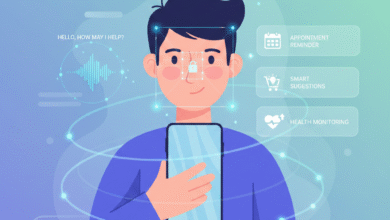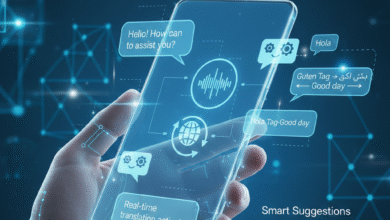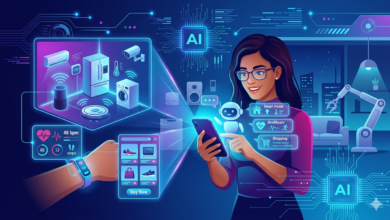
Discover the key benefits and hazards of AI in Daily Life. Learn how artificial intelligence improves daily activities while understanding its risks, ethical issues, and future challenges.
Introduction
Artificial Intelligence has become an essential part of modern society. From smartphones and smart homes to healthcare and education, AI in Daily Life is transforming how people live and work. While artificial intelligence offers convenience, speed, and efficiency, it also introduces risks such as privacy concerns, job displacement, and ethical challenges. Understanding both the benefits and hazards is important to use AI responsibly and safely in everyday life.https://smartcareerzone.com/
Benefits of AI in Daily Life
1. Improved Convenience and Automation
One of the biggest advantages of is automation. AI-powered tools automate repetitive tasks such as scheduling, reminders, online shopping recommendations, and smart home controls. This saves time and allows people to focus on more important activities.
2. Enhanced Healthcare Services
Healthcare has greatly benefited from AI in Daily Life. AI systems help doctors diagnose diseases early, analyze medical images, and recommend personalized treatments. Virtual health assistants and wearable devices monitor patient health in real time, improving overall medical care.
3. Better Education and Learning
Education has evolved with AI in Daily Life through personalized learning platforms. AI-powered apps adapt to students’ learning styles, provide instant feedback, and support online education. This makes learning more accessible and effective for students worldwide.https://learnsmartwithhamza.online/
4. Increased Business Productivity
Businesses rely on AI in Daily Life to improve productivity and decision-making. AI tools analyze data, predict customer behavior, manage inventory, and automate customer support using chatbots, leading to cost savings and improved efficiency.

5. Smart Transportation and Navigation
Navigation apps, traffic control systems, and self-driving technologies use AI in Daily Life to reduce travel time and improve road safety. AI helps optimize routes, predict traffic congestion, and lower accident risks.
Hazards of AI in Daily Life
1. Privacy and Data Security Risks
A major concern of AI in Daily Life is data privacy. AI systems collect large amounts of personal data, including location, habits, and preferences. If misused or hacked, this data can lead to identity theft and privacy violations.
2. Job Displacement and Unemployment
Automation caused by AI in Daily Life may replace certain jobs, especially in manufacturing, customer service, and data processing. While AI creates new opportunities, workers without technical skills may face unemployment challenges.
3. Dependence on Technology
Excessive reliance on AI in Daily Life can reduce human creativity, critical thinking, and problem-solving skills. Over-dependence on AI tools may weaken decision-making abilities and reduce human interaction.
4. Ethical and Bias Issues
AI systems can inherit biases from data used for training. This creates ethical issues in AI in Daily Life, especially in hiring, law enforcement, and financial decisions. Biased AI can result in unfair treatment and discrimination.
5. Security and Misuse Threats
Cybercriminals can misuse AI in Daily Life to create deepfakes, automated hacking tools, and misinformation campaigns. These threats can damage trust, spread fake news, and cause financial or social harm.
Balancing Benefits and Hazards
To maximize the advantages of AI in Daily Life, governments, businesses, and individuals must work together. Strong regulations, ethical AI development, data protection laws, and public awareness are essential. Education and skill development can help people adapt to AI-driven changes and reduce negative impacts.
Conclusion
Artificial intelligence has become an unavoidable part of modern living. AI in Daily Life offers powerful benefits such as efficiency, healthcare improvement, smarter education, and better business performance. However, it also presents hazards like privacy risks, job displacement, and ethical concerns. By using AI responsibly and ethically, society can enjoy its benefits while minimizing its risks.