Discover how AI-powered chatbot development is transforming businesses in 2025 with automation, personalization, and smarter customer engagement.
AI-Powered Chatbot Development: Revolutionizing Digital Communication in 2025
In today’s digital world, businesses are rapidly adopting automation to improve customer experience and efficiency. One of the most powerful tools driving this transformation is AI-powered chatbot development. From eCommerce platforms to healthcare and finance, chatbots have become an essential part of how organizations communicate with their audience.AI chatbots are not just pre-programmed systems anymore — they are intelligent assistants capable of understanding context, emotions, and intent. With the rise of advanced technologies like machine learning, NLP (Natural Language Processing), and deep learning, AI-powered chatbot development has reached a point where it can replicate real human conversation almost flawlessly.https://learnsmartwithhamza.online/
Why Businesses Are Adopting AI Chatbots
The primary reason companies invest in AI-powered chatbot development is to enhance customer interaction and reduce response time. Traditional customer support teams struggle with high volumes of requests, long waiting times, and human fatigue. Chatbots, on the other hand, can handle thousands of queries simultaneously, ensuring instant responses 24/7.
Another key factor is cost efficiency. Businesses can save up to 60% on support costs by implementing chatbots. Moreover, chatbots are available round the clock, ensuring no missed opportunities and providing a consistent experience to users worldwide.
How AI Chatbots Work
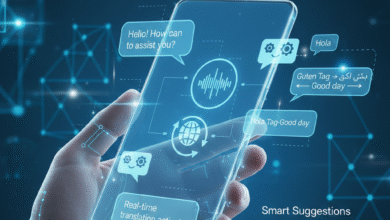
Modern chatbots use a combination of machine learning and natural language processing to understand what users are saying and respond accurately.
When a user types or speaks a question, the chatbot analyzes it using NLP algorithms, matches it with pre-trained data, and generates the most relevant answer. Over time, the chatbot learns from these interactions, improving accuracy and personalization. This continuous learning process is what makes AI-powered chatbot development so effective and future-proof.
Applications of AI Chatbots in Different Industries
The versatility of chatbots is one of their greatest strengths. Let’s look at how AI-powered chatbot development is transforming various sectors:https://smartcareerzone.com/
- E-Commerce: Chatbots assist customers in finding products, checking order status, and even recommending personalized items based on browsing behavior.
- Healthcare: Virtual health assistants can schedule appointments, remind patients about medications, and offer preliminary symptom analysis.
- Banking & Finance: Chatbots help users check balances, track transactions, and answer queries about financial products.
- Education: Platforms like LearnSmartWithHamza can use chatbots to guide learners, answer study-related questions, and recommend relevant courses.
- Travel & Hospitality: Chatbots assist travelers with bookings, cancellations, and itinerary updates instantly.

Key Benefits of AI-Powered Chatbot Development
Implementing AI chatbots comes with multiple benefits that go beyond customer support:
- 24/7 Availability: Always active to respond instantly.
- Improved Customer Experience: Provides quick, consistent, and personalized responses.
- Data Collection: Gathers valuable customer insights for better business decisions.
- Scalability: Easily manages growing customer demands without additional staff.
- Automation: Frees human teams to focus on complex, high-value tasks.
These benefits make AI-powered chatbot development a necessity for any modern digital business.
The Future of Chatbot Development
The next generation of AI chatbots will be more context-aware, emotionally intelligent, and multi-modal — meaning they can understand voice, images, and even gestures. Integrations with tools like CRM systems, social media, and eCommerce platforms will further enhance their efficiency.
Experts predict that by 2030, over 80% of customer interactions will be handled by AI systems. Businesses that invest in AI-powered chatbot development today will gain a competitive edge tomorrow.
How to Get Started with Chatbot Development
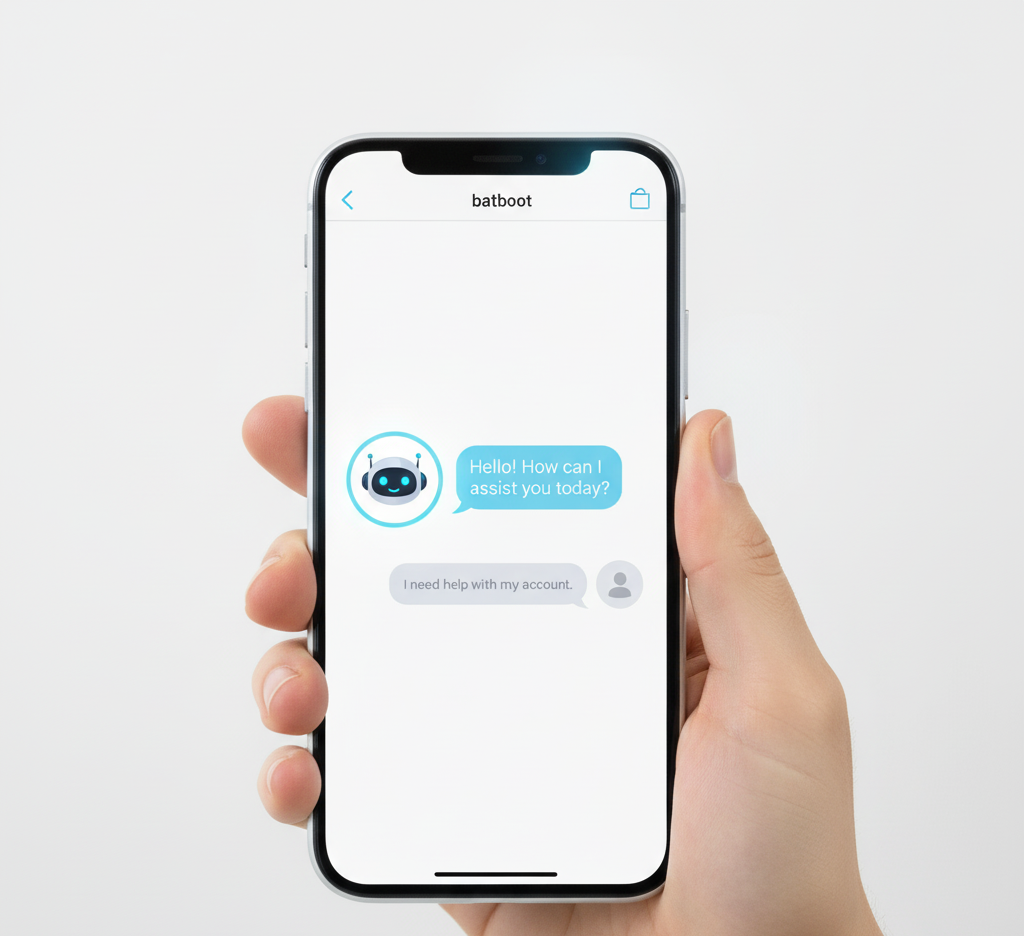
If you are planning to develop your own AI chatbot, here’s a step-by-step approach:
- Define Your Goals: Identify what problems your chatbot should solve.
- Choose the Right Platform: Use frameworks like Dialogflow, Rasa, or Microsoft Bot Framework.
- Integrate NLP Engines: Employ tools like OpenAI GPT, IBM Watson, or Google BERT for natural responses.
- Train Your Bot: Feed it with quality data and continuously improve based on feedback.
- Test and Launch: Ensure smooth user interaction and gather analytics for optimization.
Developers and businesses can leverage these tools to build custom chatbots for websites like LearnSmartWithHamza, creating a more interactive and automated user experience.
Why AI Chatbots Are Essential in 2025
As customers expect instant responses and personalized solutions, chatbots have become indispensable. Whether it’s education, eCommerce, or enterprise software, AI-powered chatbot development ensures seamless communication between brands and users.
The future belongs to intelligent systems that can think, learn, and respond like humans — and AI chatbots are leading this evolution.
Conclusion
In conclusion, AI-powered chatbot development is no longer a futuristic concept — it’s today’s reality shaping the digital landscape. By adopting intelligent chatbots, businesses can enhance user satisfaction, reduce costs, and gain valuable insights from every interaction.
As the world moves towards complete digital transformation, now is the time for innovators, entrepreneurs, and educators (like LearnSmartWithHamza) to harness the power of AI chatbots and build smarter communication systems for the future.