AI in Daily Life: How Artificial Intelligence Is Transforming Our Everyday World 2025

AI in daily life is transforming how we work, learn, shop, communicate, and stay healthy. Discover real-world applications of artificial intelligence, benefits, challenges, and future trends in this comprehensive guide.
AI in Daily Life: How Artificial Intelligence Is Transforming Our Everyday World
Artificial Intelligence (AI) is no longer a futuristic concept limited to science fiction movies or advanced research labs. Today, AI in daily life has become a powerful and invisible force shaping how we live, work, learn, and interact with the world. From smartphones and smart homes to healthcare, education, and entertainment, artificial intelligence is deeply embedded in modern society.
This article explores how AI in daily life is changing everyday activities, its benefits, challenges, and what the future holds for humanity in an AI-driven world.
1. Understanding AI in Daily Life
Artificial Intelligence refers to machines and software systems designed to mimic human intelligence. These systems can learn from data, recognize patterns, make decisions, and improve over time through machine learning and deep learning technologies.
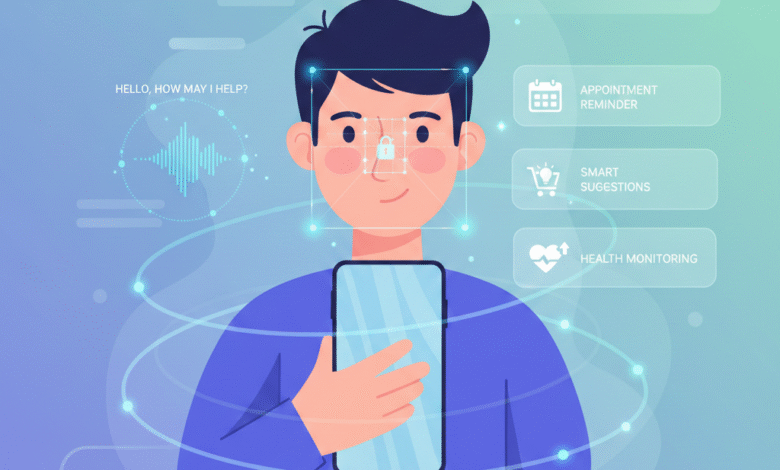
AI in daily life often works quietly in the background. You may not always notice it, but every time your phone unlocks using facial recognition, your email filters spam, or your favorite app recommends content, AI is at work.
2. AI in Smartphones and Personal Devices
One of the most common examples of AI in daily life is the smartphone. Modern smartphones rely heavily on artificial intelligence to enhance user experience.
AI helps with:
- Voice assistants like Siri, Google Assistant, and Alexa
- Facial recognition and fingerprint security
- Camera enhancements such as portrait mode and night photography
- Predictive text, autocorrect, and language translation
Thanks to AI in daily life, smartphones have become smarter, faster, and more personalized than ever before.
3. AI in Smart Homes
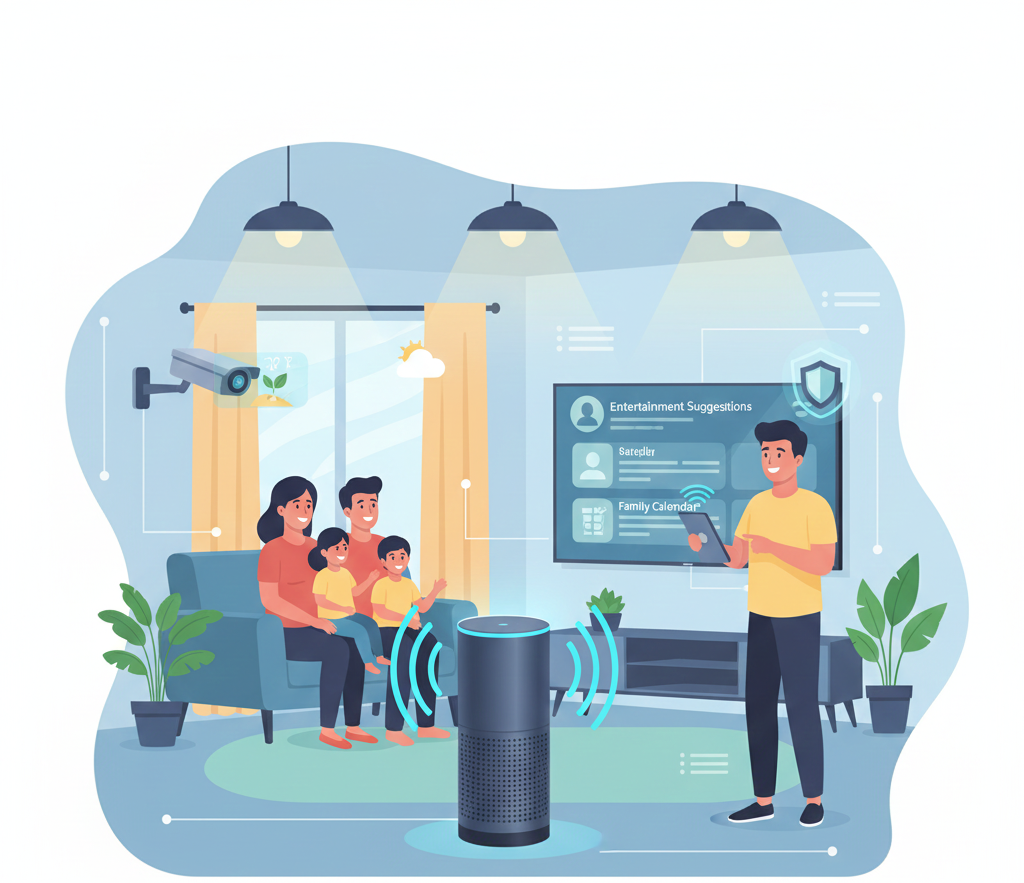
Smart homes are a growing trend, and AI in daily life plays a crucial role in making homes intelligent and efficient.
AI-powered smart home features include:
- Smart thermostats that learn your temperature preferences
- Smart lights that adjust brightness automatically
- Home security systems with facial and motion recognition
- Voice-controlled appliances
By integrating AI in daily life, smart homes save energy, enhance security, and improve comfort.
4. AI in Healthcare
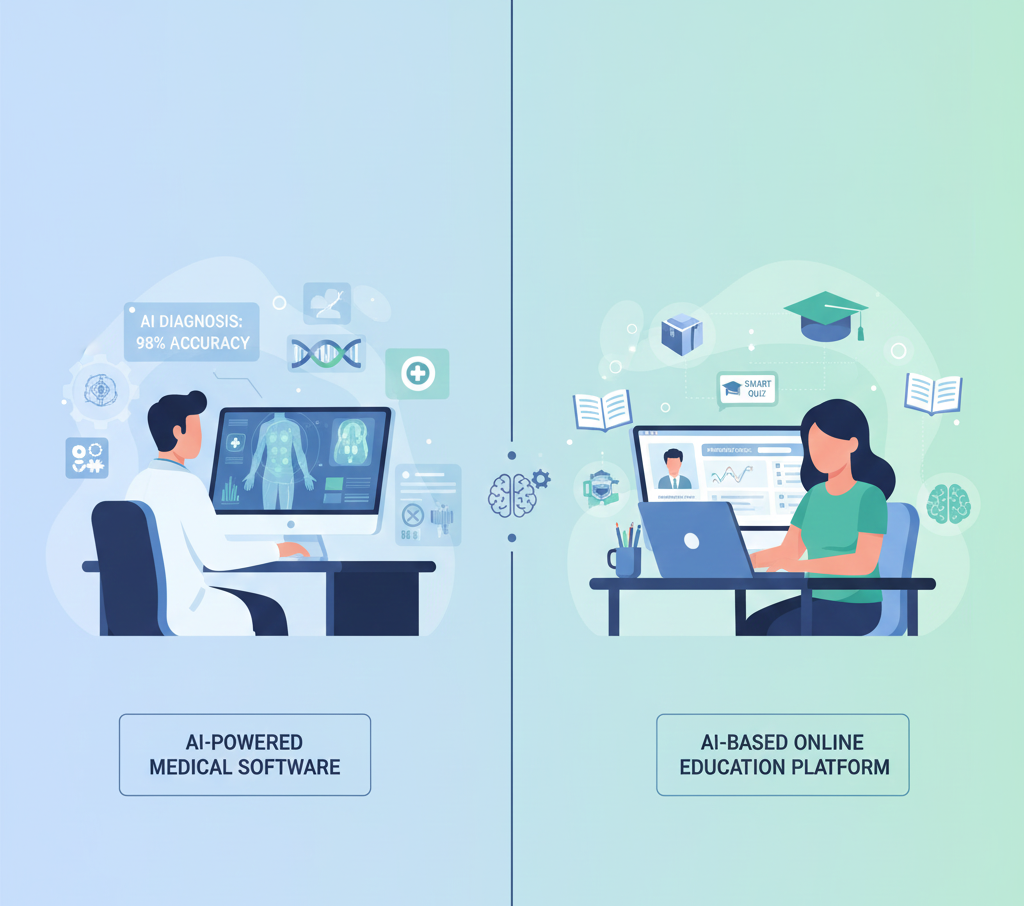
Healthcare is one of the most impactful areas where AI in daily life is making a difference. Artificial intelligence helps doctors, nurses, and patients in many ways.
AI applications in healthcare include:
- Early disease detection and diagnosis
- Medical imaging analysis
- Personalized treatment plans
- Virtual health assistants and chatbots
- Wearable devices monitoring heart rate, sleep, and activity
With AI in daily life, healthcare is becoming more accurate, affordable, and accessible.
5. AI in Education and Learning
Education has been transformed by AI in daily life, especially with the rise of online learning platforms.
AI supports education through:
- Personalized learning experiences
- Intelligent tutoring systems
- Automated grading and assessments
- Language learning apps with real-time feedback
Students benefit from customized learning paths, while teachers save time and gain insights into student performance. AI in daily life is helping education become more inclusive and efficient.
6. AI in Work and Business
Artificial intelligence is reshaping the modern workplace. AI in daily life helps businesses improve productivity, decision-making, and customer satisfaction.
AI in business includes:
- Automated customer support chatbots
- Data analysis and forecasting
- Fraud detection in finance
- Smart recruitment and HR tools
By using AI in daily life, businesses reduce costs, minimize errors, and improve efficiency.
7. AI in Transportation and Navigation
Transportation systems rely heavily on AI in daily life to ensure safety and convenience.
AI-powered transportation features include:
- GPS navigation with real-time traffic updates
- Ride-sharing apps matching drivers and passengers
- Autonomous and semi-autonomous vehicles
- Predictive maintenance for public transport
Thanks to AI in daily life, commuting has become safer, faster, and more efficient.
8. AI in Shopping and E-Commerce
Online shopping would not be the same without AI in daily life. Artificial intelligence enhances the customer experience and helps businesses grow.https://smartcareerzone.com/
AI in e-commerce includes:
- Personalized product recommendations
- Dynamic pricing strategies
- Virtual shopping assistants
- Inventory and demand forecasting
Through AI in daily life, shopping is more convenient, personalized, and enjoyable.
9. AI in Entertainment and Media
Entertainment platforms rely heavily on AI in daily life to keep users engaged.
Examples include:
- Movie and music recommendations on Netflix and Spotify
- AI-generated playlists and content suggestions
- Video game AI for realistic characters
- AI-assisted video and photo editing
By using AI in daily life, entertainment becomes more immersive and tailored to individual preferences.
10. AI in Communication and Social Media
Communication has evolved dramatically with AI in daily life. Social media platforms and messaging apps use artificial intelligence extensively.
AI helps with:
- Content recommendations and news feeds
- Spam and fake account detection
- Language translation and speech-to-text
- Sentiment analysis and moderation
AI in daily life ensures smoother, safer, and more relevant communication experiences.
11. Benefits of AI in Daily Life
The widespread use of AI in daily life offers numerous benefits:
- Saves time and effort
- Improves accuracy and efficiency
- Enhances personalization
- Supports better decision-making
- Increases accessibility for people with disabilities
AI empowers individuals and businesses to do more with less effort.
12. Challenges and Concerns of AI in Daily Life
Despite its advantages, AI in daily life also raises important concerns.
Key challenges include:
- Privacy and data security risks
- Job displacement due to automation
- Bias in AI algorithms
- Over-dependence on technology
Addressing these challenges is essential to ensure responsible and ethical use of AI in daily life.
13. Ethical Use of AI
Ethical considerations are crucial as AI in daily life continues to expand. Transparency, fairness, accountability, and human oversight must guide AI development.
Governments, companies, and developers must work together to create regulations that protect users while encouraging innovation.
14. The Future of AI in Daily Life
The future of AI in daily life looks promising and transformative. Emerging technologies such as generative AI, robotics, and advanced machine learning will further integrate AI into everyday activities.
In the future, we can expect:
- Smarter cities
- Fully autonomous transportation
- AI-powered healthcare assistants
- More human-like AI interactions
As AI in daily life evolves, it will continue to reshape society in profound ways.https://learnsmartwithhamza.online/
15. Conclusion
Artificial intelligence is no longer optional—it is a fundamental part of modern living. AI in daily life enhances convenience, efficiency, and innovation across nearly every aspect of human activity. While challenges remain, responsible development and ethical practices can ensure AI benefits everyone.
Understanding AI in daily life empowers individuals to adapt, grow, and thrive in a rapidly changing digital world. As technology advances, AI will continue to redefine what is possible in our everyday lives.