AI Art & Creativity: How Artificial Intelligence Is Transforming the Future of Artistic Expression 2025

AI Art & Creativity explores how artificial intelligence is reshaping modern art, design, music, and creative industries. Learn about benefits, challenges, tools, and the future of AI-powered creativity in this detailed guide.
What Is AI Art & Creativity?
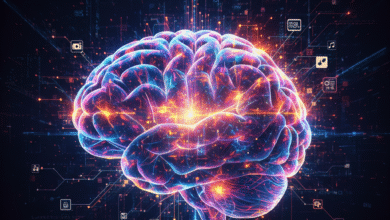
AI Art & Creativity refers to the use of artificial intelligence technologies—such as machine learning, neural networks, and generative models—to create artistic and creative content. These systems are trained on vast collections of images, music, text, or videos and then generate new outputs inspired by what they have learned.
For example, AI can create digital paintings, compose music, design logos, generate animations, and even write poetry. Popular tools like AI image generators and creative software platforms have made AI Art & Creativity accessible to both professionals and beginners.
How AI Is Transforming the Creative Industry
The impact of AI Art & Creativity can be seen across multiple creative industries:
1. Visual Arts and Design
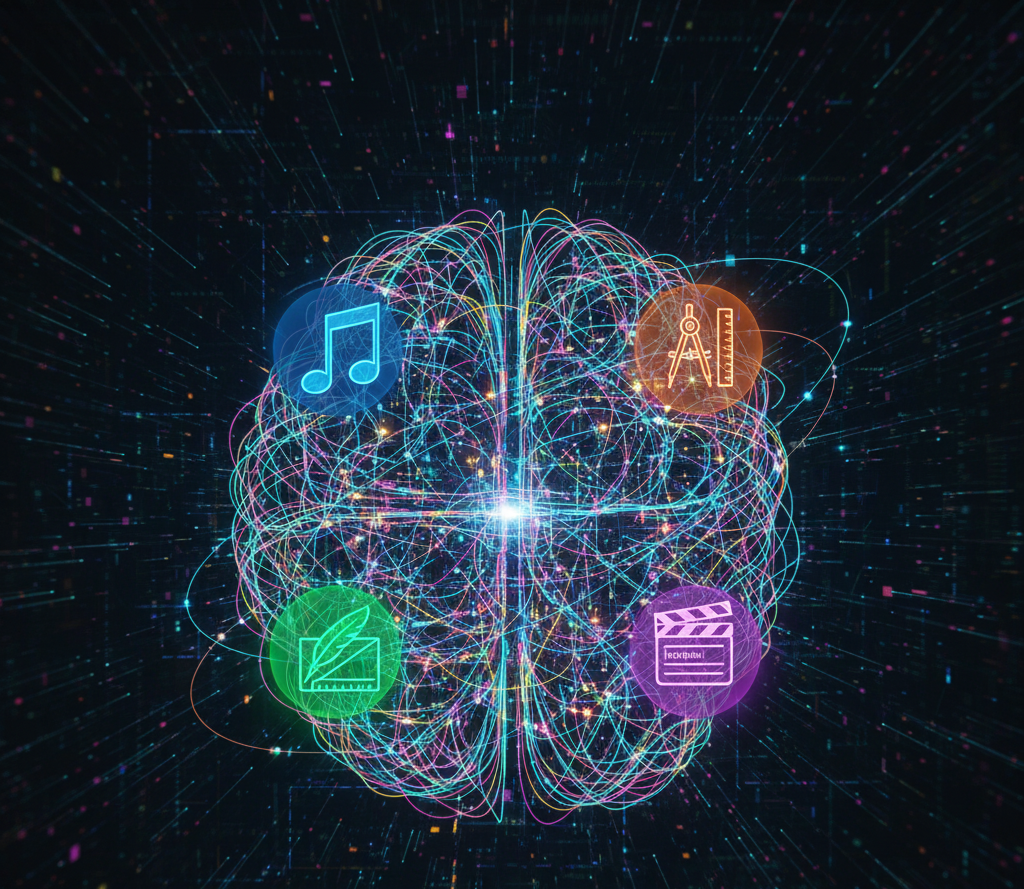
AI-powered tools can generate illustrations, concept art, and graphic designs within seconds. Artists use AI to experiment with new styles, color palettes, and compositions that would take hours to create manually.
2. Music and Audio Production
AI can compose background music, beats, and sound effects by understanding rhythm, tempo, and mood. Musicians now collaborate with AI to explore new genres and creative directions.
3. Writing and Storytelling
In writing, AI assists with brainstorming ideas, drafting content, and improving language quality. AI Art & Creativity helps writers overcome creative blocks and produce engaging stories faster.
4. Film and Animation
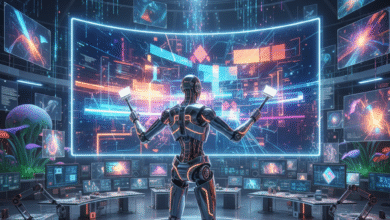
AI is used in visual effects, character animation, and video editing. It enhances production quality while reducing time and cost.https://smartcareerzone.com/
Benefits of AI Art & Creativity
AI Art & Creativity offers numerous advantages for creators and businesses:
- Increased Productivity: AI speeds up the creative process, allowing artists to focus on ideas rather than repetitive tasks.
- Creative Inspiration: AI provides fresh perspectives and unique outputs that inspire human creativity.
- Accessibility: Even people without technical or artistic skills can create professional-level artwork using AI tools.
- Cost Efficiency: AI reduces the need for expensive resources and large creative teams.
- Innovation: New artistic styles and formats emerge through human-AI collaboration.
Challenges and Ethical Concerns
Despite its benefits, AI Art & Creativity also raises important challenges:
- Originality and Ownership: Questions arise about who owns AI-generated art—the creator, the developer, or the AI itself.
- Copyright Issues: AI models are often trained on existing artworks, leading to debates about intellectual property.
- Over-Reliance on AI: Excessive dependence on AI may limit human skill development.
- Job Displacement: Some fear AI could replace traditional creative roles.
Addressing these concerns requires clear regulations, ethical guidelines, and responsible use of AI technologies.
Human Creativity vs. Artificial Intelligence
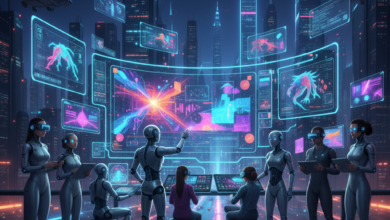
A common misconception is that AI will replace human artists. In reality, AI Art & Creativity works best as a collaborative process. Humans provide emotion, intent, and cultural context, while AI contributes speed, pattern recognition, and technical execution.
True creativity comes from human experience—feelings, memories, and imagination. AI enhances these qualities by acting as a creative assistant rather than a replacement.
Future of AI Art & Creativity
The future of AI Art & Creativity looks promising and innovative. As AI models become more advanced, they will better understand human emotions, preferences, and artistic intent. We can expect:
- More personalized and interactive art experiences
- Greater collaboration between artists and AI
- Expansion of AI creativity into virtual reality and augmented reality
- New career opportunities in AI-driven creative fields
AI will continue to reshape creativity while keeping human imagination at its core.
Conclusion
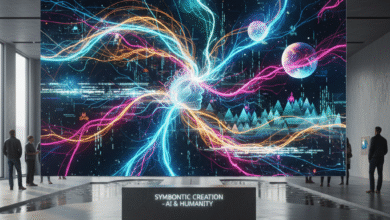
AI Art & Creativity is revolutionizing the way art and creative content are produced and experienced. By combining human imagination with artificial intelligence, creators can push boundaries, explore new ideas, and bring visions to life like never before.
While challenges exist, the benefits of AI Art & Creativity far outweigh the risks when used responsibly. The future of creativity is not human versus machine—it is human and machine working together to shape a more innovative and expressive world.https://learnsmartwithhamza.online/