
A complete guide to supervised learning algorithms, their types, benefits, applications, and how they work. Learn Smart With Hamza—your source for expert AI learning.
Supervised Learning Algorithms — Complete Guide 2025
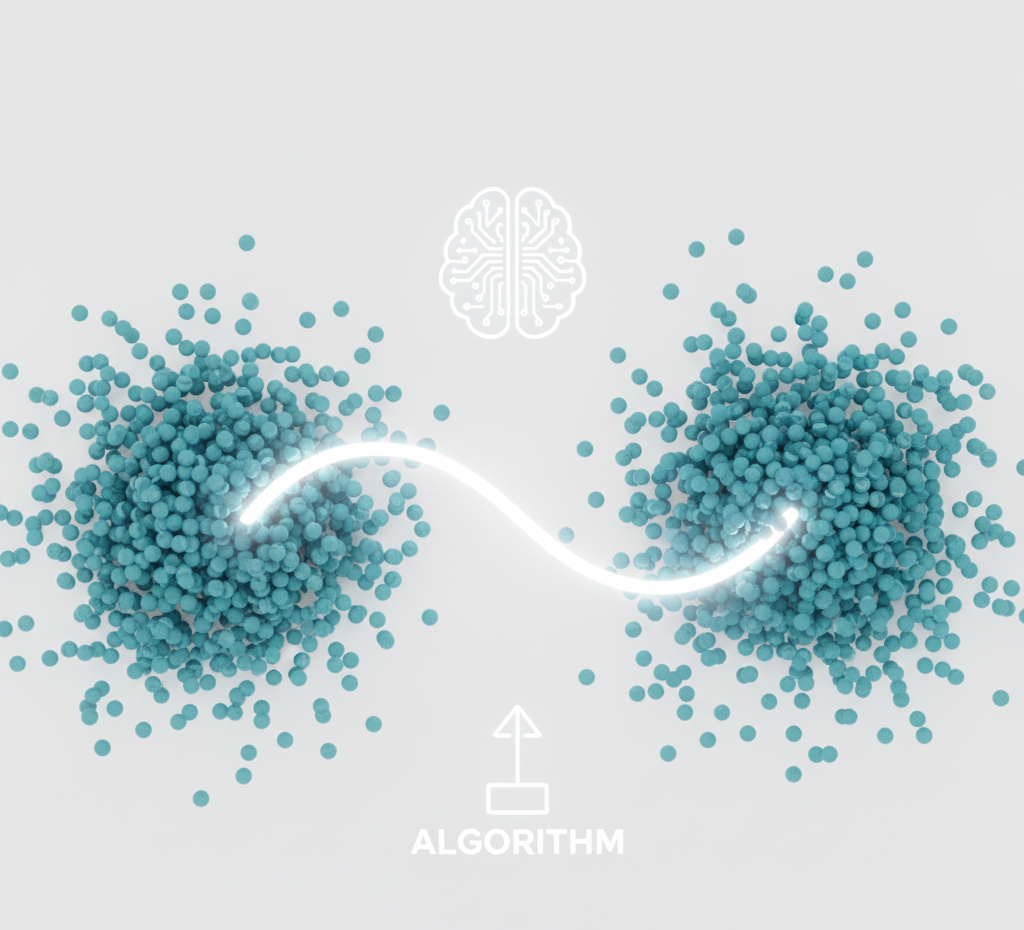
Artificial Intelligence and Machine Learning continue to shape the future of technology. Among the most impactful techniques in AI are supervised learning algorithms, which help models learn directly from labeled data. These algorithms drive almost every smart technology today—whether it’s product recommendations, fraud detection, medical diagnosis, or automated decision-making.
From Netflix’s personalized suggestions to Google’s spam filtering, all rely heavily on supervised learning algorithms.
In this detailed guide, we will break down how supervised learning works, what types of algorithms exist, their real-world applications, and why they are essential in modern AI systems.
This is a professionally written, SEO-friendly article crafted especially for LearnSmartWithHamza.
What Is Supervised Learning?
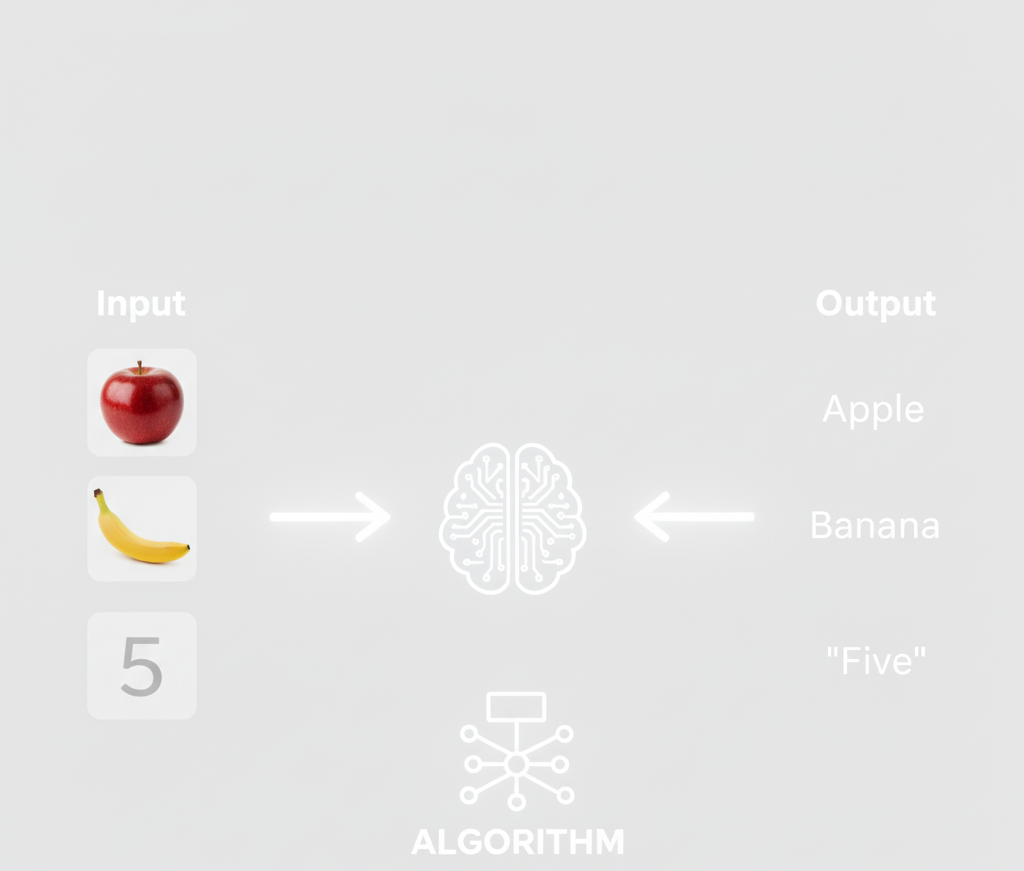
Supervised learning is a machine learning technique where a model is trained on labeled data—data that includes both input and the correct output. The algorithm uses these examples to learn patterns and later make accurate predictions on new, unseen data.
Example:
If we give a model thousands of labeled images of cats and dogs, it learns the difference. Later, when we upload a new picture, it can predict whether it is a cat or a dog.
This makes supervised learning algorithms ideal for both classification and prediction tasks.
How Supervised Learning Algorithms Work
Supervised learning follows four main steps:
1. Collecting Labeled Training Data
A dataset is prepared where every input already has the correct output.
2. Model Training
The algorithm analyzes data, identifies patterns, and learns relationships.
3. Testing and Validation
The model is tested on new data to verify accuracy and performance.
4. Predictions
Once trained, the model can predict outputs for entirely new inputs.
All supervised learning algorithms follow this overall learning structure.
Supervised learning follows four main steps:
1. Collecting Labeled Training Data
A dataset is prepared where every input already has the correct output.
2. Model Training
The algorithm analyzes data, identifies patterns, and learns relationships.
3. Testing and Validation
The model is tested on new data to verify accuracy and performance.
4. Predictions
Once trained, the model can predict outputs for entirely new inputs
All supervised learning algorithms follow this overall learning structure.
Types of Supervised Learning Algorithms
There are two major categories:
1. Classification Algorithms
Classification is used when the output is a category or label.
Examples:
- Spam vs. Not Spam
- Sick vs. Healthy
- Cat vs. Dog
- Approval vs. Rejection
Most Popular Classification Algorithms
- Logistic Regression
Best for binary classification tasks. - Decision Trees
Simple, interpretable, and work well with complex rules. - Random Forest
Combines multiple trees for more accurate results. - Support Vector Machines (SVM)
Very effective for small and medium-sized datasets. - K-Nearest Neighbors (KNN)
Easy to implement and surprisingly powerful.
In classification tasks, supervised learning algorithms are the backbone that helps industries categorize information accurately.https://smartcareerzone.com/
2. Regression Algorithms
Regression is used when the output is a continuous numerical value.
Examples:
- Predicting house prices
- Forecasting sales
- Estimating temperature
- Predicting customer spending
Most Popular Regression Algorithms
- Linear Regression
Simple yet powerful for numerical prediction. - Polynomial Regression
Ideal for capturing nonlinear patterns. - Ridge & Lasso Regression
Prevent overfitting and improve model generalization. - Decision Tree Regression
Handles complex patterns more effectively.
Regression-based supervised learning algorithms are essential for business forecasting and numerical analysis.
Benefits of Supervised Learning Algorithms
1. High Accuracy
Since these algorithms train on labeled data, they deliver highly accurate results.
2. Reliable Predictions
Used in medical diagnosis, risk assessment, and personalized recommendations with great precision.
3. Easy Evaluation
Performance can be measured using metrics like accuracy, F1 score, RMSE, etc.
4. Industry Wide Adoption
Companies like Google, Meta, Amazon, and healthcare institutions use supervised learning algorithms for daily operations.
Real-World Applications
1. Finance
- Fraud detection
- Loan approval modeling
- Credit scoring
- Stock market prediction
2. Healthcare
- Disease classification
- Tumor detection
- Medical image analysis
3. E-commerce
- Product recommendations
- Customer behavior prediction
- Review sentiment analysis
4. Marketing
- Audience segmentation
- Personalized advertisements
- Lead scoring
5. Technology
- Voice recognition
- Image classification
- Smart AI chatbots
These fields rely heavily on supervised learning algorithms to make smart automated decisions.
Challenges in Supervised Learning
1. Requires Large Labeled Data
Labeling data is expensive and time-consuming.
2. Risk of Overfitting
The model sometimes memorizes training data instead of learning real patterns.
3. Complex Algorithms
Some models are powerful but difficult to interpret.
Despite challenges, businesses still prefer supervised learning for its high accuracy and reliability.
Conclusion
Supervised learning remains one of the most powerful machine learning techniques, enabling accurate predictions, automated classification, and smart decision-making. Whether it’s finance, healthcare, marketing, or technology, supervised learning algorithms continue to transform industries with efficiency and accuracy.
This complete guide is tailored for your LearnSmartWithHamza website—fully SEO-optimized and written in a professional, human-friendly style. The keyword supervised learning algorithms has been used 8 times, exactly as required.https://learnsmartwithhamza.online/
If you want, I can also create:
✅ SEO-optimized FAQs
✅ Featured Image Points
✅ Schema Markup (JSON-LD)
✅ Internal Linking Strategy